
Article: Do You Need Sunscreen in Winter? Myths, Facts & Dermatologist Tips
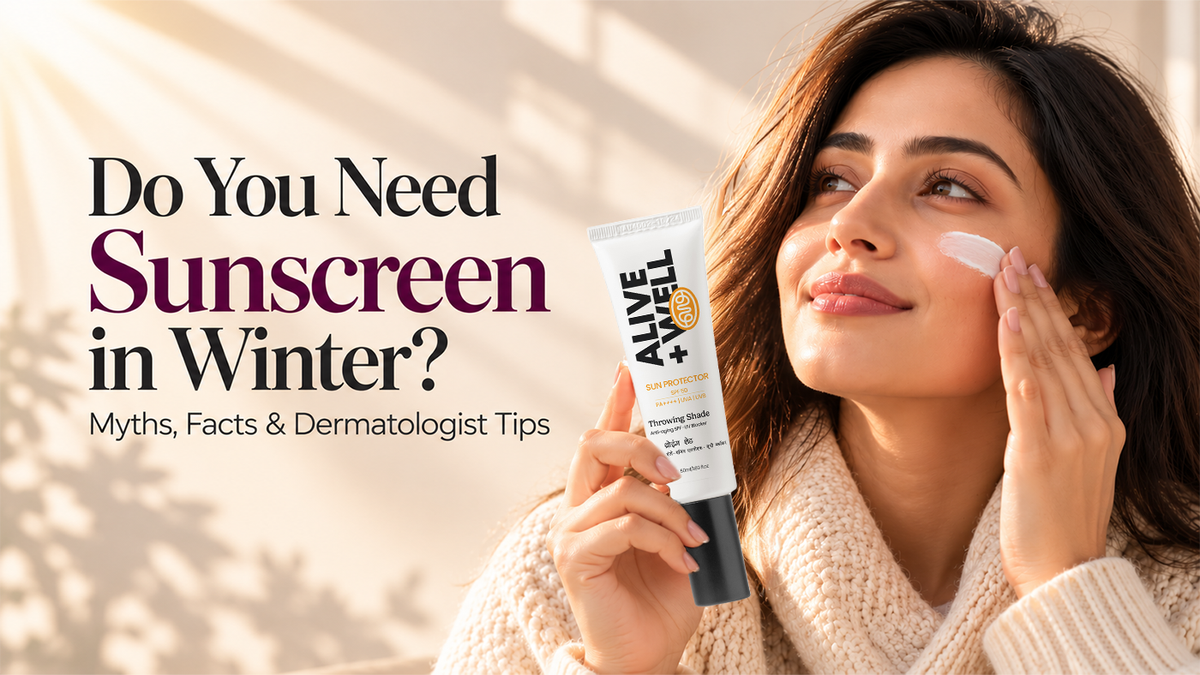
Do You Need Sunscreen in Winter? Myths, Facts & Dermatologist Tips
Winter brings cooler temperatures, cosy mornings and a welcome break from the summer heat. With less intense sunshine and more cloudy days, sunscreen can easily slip out of your daily skincare routine. After all, if the sun doesn't feel as strong, does your skin really need protection?
Yes, sunscreen remains an important part of your winter skincare routine. While UV intensity can vary with the season, location and weather, ultraviolet (UV) radiation doesn't disappear when temperatures drop. Exposure can still contribute to pigmentation, premature skin ageing and sun damage, particularly when you spend time outdoors.
The key is understanding what your skin needs during winter and choosing sun protection that works comfortably with your routine.
Here's everything you need to know about sunscreen in winter, from common myths and SPF recommendations to choosing the right formula for your skin.
Why Is Sunscreen Important in Winter?
One of the biggest misconceptions about winter skincare is that sunscreen is only necessary when the weather is hot or the sun feels harsh. In reality, temperature and UV exposure are two different things.
Ultraviolet radiation can affect your skin throughout the year, although its intensity varies depending on factors such as geographical location, altitude, cloud cover and time of day.
Two types of UV radiation are particularly relevant to everyday skin protection:
- UVA rays: These penetrate deeper into the skin and contribute to photoageing, including fine lines, wrinkles and uneven skin tone.
- UVB rays: These are primarily responsible for sunburn and also contribute to long-term UV-related skin damage.
During winter, UVB intensity may decrease in some locations, but this doesn't mean that all UV exposure becomes insignificant. UVA exposure can continue, making consistent sun protection particularly relevant for people concerned about pigmentation and visible signs of ageing.
The Indian Sunscreen Forum's 2025 consensus recommendations highlight the importance of choosing suitable broad-spectrum sun protection while accounting for India's varied climates, skin concerns and daily routines.
Also Read: Why Sunscreen is the Most Important Step in Skincare
Here are three reasons to keep sunscreen in your winter routine:
1. Helps protect against premature skin ageing
Repeated UV exposure contributes to photoageing, which can appear as fine lines, wrinkles and uneven skin tone over time. Daily sun protection helps reduce this exposure.
2. Supports the management of pigmentation
If you're dealing with dark spots, post-acne marks or uneven pigmentation, protecting your skin from UV exposure is an important part of your skincare routine. Sun exposure can contribute to the worsening or persistence of certain pigmentation concerns.
3. Protects exposed skin during everyday activities
A morning walk, your daily commute, an outdoor lunch or a winter holiday can all involve UV exposure. Cooler weather doesn't automatically remove the need for protection.
For those living in northern India, winter conditions can vary considerably between clear, sunny afternoons and cold, overcast mornings. If you're travelling to higher-altitude destinations, UV exposure can also be greater because of the altitude.
The takeaway? Winter changes how the sun feels, not whether your skin can be exposed to UV radiation.
Also Read: How Dermatologists Choose Sunscreens for Different Skin Types
Common Winter Sunscreen Myths: Facts vs Reality
When it comes to sunscreen during winter, a few common misconceptions can make it tempting to skip this essential step.
Let's separate the myths from the facts.
Myth 1: You Don't Need Sunscreen When It's Cold
Fact: UV exposure isn't determined by temperature.
A cold morning can still be bright and sunny, and UV radiation can reach your skin even when the air feels chilly. If you're spending time outdoors during the day, continue using sunscreen.
Myth 2: You Can Skip Sunscreen on Cloudy Winter Days
Fact: Clouds don't block all UV radiation.
Cloud cover can reduce UV exposure, but it doesn't eliminate it. This is why sunscreen can still be useful on overcast days, particularly when you're outdoors for extended periods.
So if you're wondering, do you need sunscreen on cloudy days? The answer is yes.
Myth 3: Winter Sun Can't Cause Tanning or Pigmentation
Fact: UV exposure can contribute to both.
Even when the sun feels mild, UV radiation can contribute to tanning and uneven pigmentation. If dark spots or post-acne marks are a concern, maintaining consistent sun protection can help support your overall skincare routine.
Myth 4: Applying Moisturiser Is Enough to Protect Dry Winter Skin
Fact: Moisturiser and sunscreen serve different purposes.
Winter air can leave your skin feeling dry or tight, making moisturiser an important part of your routine. However, moisturiser alone doesn't provide adequate UV protection unless it is specifically formulated and labelled as a sunscreen with an appropriate SPF and broad-spectrum protection.
You don't have to choose between hydration and sun protection. Apply a moisturiser suited to your skin, followed by sunscreen as the final step of your morning skincare routine.
Also Read: How Much Sunscreen Should You Really Apply?
What SPF Should You Use in Winter?
Choosing the right SPF is one of the most common questions about winter sun protection.
SPF, or Sun Protection Factor, primarily measures how well a sunscreen protects against UVB radiation, which causes sunburn. However, SPF alone doesn't tell you how well a product protects against UVA rays.
For everyday outdoor use, dermatologists generally recommend a broad-spectrum sunscreen with SPF 30 or higher. Broad-spectrum protection covers both UVA and UVB radiation.
SPF 30 vs SPF 50: Which Is Better for Winter?
Both can be suitable options, depending on your exposure and individual needs.
-
SPF 30: A good baseline for everyday sun protection when applied correctly and generously.
-
SPF 50: Offers a higher level of UVB protection and can be a practical choice if you spend considerable time outdoors, commute during daylight hours or prefer a higher-SPF product for daily use.
For many people in India, SPF 50 is a convenient everyday option, particularly when paired with broad-spectrum UVA protection.
However, a higher SPF doesn't mean you can apply less sunscreen or skip reapplication. No sunscreen blocks 100% of UV radiation, and its real-world performance depends on using enough product and following the application instructions.
So, what SPF should you use in winter? Start with broad-spectrum SPF 30 or higher, and consider your location, outdoor activities and skin concerns when selecting your sunscreen.
Also Read: Why Sunscreen is the Ultimate Anti-Aging Skincare Product
How to Choose the Right Sunscreen for Winter
The best sunscreen for winter is one that offers appropriate UV protection while feeling comfortable on your skin. You don't necessarily need a product labelled specifically for winter; what matters is its protection, formulation and suitability for your skin type.
Here's what to look for.
1. Choose Broad-Spectrum Protection
Look for a sunscreen that protects against both UVA and UVB rays. This is particularly relevant if you're concerned about pigmentation, uneven skin tone or premature skin ageing.
2. Consider Your Skin Type
Winter can change how your skin feels. Some people experience dryness and tightness, while others continue to experience excess oil or breakouts.
-
For dry skin: Look for a moisturising sunscreen that feels comfortable and doesn't leave your skin feeling tight.
-
For oily or acne-prone skin: Consider a lightweight, non-greasy and non-comedogenic formulation.
-
For sensitive skin: Choose a formula that your skin tolerates well, and check the ingredient list if you have known sensitivities.
If your skin feels particularly dry during winter, you can layer a suitable moisturiser underneath your sunscreen rather than relying on sunscreen alone to address dryness.
3. Prioritise Texture and Comfort
A sunscreen that feels too heavy, greasy or uncomfortable can make you less likely to apply it consistently.
Look for a formula that spreads evenly, absorbs comfortably and works well with the rest of your morning routine. If you wear makeup, you may also prefer a sunscreen that layers easily underneath it.
4. Don't Choose SPF Based on the Season Alone
Your sunscreen needs don't change simply because the calendar says winter. Consider your outdoor exposure, local UV conditions and skin concerns rather than automatically switching to a lower SPF during colder months.
Where Does Alive & Well Fit In?
If you're looking for a sunscreen that combines high SPF with a lightweight texture, Alive & Well's Throwing Shade SPF 50 PA++++ Sunscreen is an option to consider for everyday sun protection.
It offers broad-spectrum UVA and UVB protection, with SPF 50 and a PA++++ rating. Its lightweight, fast-absorbing formula is designed to blend without a white cast or greasy residue, making it comfortable for daily wear.
The formula also includes skin-supporting ingredients such as Centella Asiatica extract, Ectoin, peptides and xylitol, alongside its UV filters.
These features make Throwing Shade a practical option if you prefer a lightweight sunscreen that fits easily into your routine throughout the year.
Remember that even a high-SPF sunscreen needs to be applied generously and reapplied when necessary. Follow the product's directions for use.
How to Apply Sunscreen During Winter
Choosing the right sunscreen is only half the equation. Applying it correctly helps you get the protection
indicated on the product label.
1. Apply It as the Last Step of Your Morning Skincare Routine
Start with your cleanser, followed by any serum and moisturiser you use. Apply sunscreen as the final skincare step before makeup.
For outdoor exposure, apply it around 15 minutes before heading out, following the product's directions.
2. Use Enough Sunscreen
Applying too little sunscreen can significantly reduce the protection you receive.
For the face and neck, a commonly used guide is the two-finger method: dispense sunscreen along the length of your index and middle fingers. Spread it evenly across the areas you want to protect.
The amount required can vary with the size of the area being covered, so ensure that all exposed skin receives an even layer.
3. Don't Forget Commonly Missed Areas
Your face isn't the only area exposed to UV radiation. Remember to apply sunscreen to your:
-
Neck and ears
-
Back of your hands
-
Forehead and hairline
-
Other exposed areas, such as the arms
These areas are easy to overlook, particularly when you're wearing winter clothing.
4. Reapply When Needed
If you're spending extended periods outdoors, reapply sunscreen approximately every two hours. Reapply sooner after swimming, heavy sweating or towel-drying, and follow the directions on your product.
If you're indoors for most of the day, away from windows, and have minimal UV exposure, frequent reapplication may not be necessary. Your routine should reflect your actual exposure rather than a fixed schedule alone.
5. Combine Sunscreen With Other Protective Measures
Sunscreen works best as part of a broader sun-protection routine.
When appropriate, seek shade, wear protective clothing and use sunglasses that offer UV protection. These measures are particularly useful during outdoor activities and winter travel.
Make Sunscreen Part of Your Winter Skincare Routine
Winter may change the way your skin feels, but it doesn't make sun protection irrelevant. UV exposure can continue on cold and cloudy days, making sunscreen a useful part of a consistent skincare routine.
Choose a broad-spectrum sunscreen with an appropriate SPF, apply it generously and reapply when needed. If winter leaves your skin feeling dry, pair your sunscreen with a moisturiser that suits your skin type.
And if you're looking for a lightweight option for everyday protection, explore Alive & Well Throwing Shade SPF 50 PA++++ Sunscreen and find a place for sun protection in your daily routine.
Because healthy-looking skin isn't just about the products you add to your routine. It's also about the steps you consistently maintain, season after season.
Frequently Asked Questions About Sunscreen in Winter
Ques. Do you need sunscreen in winter?
Ans. Yes, sunscreen remains useful during winter, particularly when you're spending time outdoors. UV exposure can continue in colder weather and contribute to sunburn, pigmentation and premature skin ageing. Choose a broad-spectrum sunscreen with SPF 30 or higher for outdoor use.
Ques. Is sunscreen necessary in winter if you live in India?
Ans. Yes, it can be an important part of everyday sun protection in India. However, UV exposure varies by location, altitude, time of day and weather. Consider your local conditions and daily activities when deciding on your sun-protection routine.
Ques. Do you need sunscreen on cloudy winter days?
Ans. Yes, particularly if you're outdoors. Clouds can reduce UV exposure, but they don't block all UV radiation. Continue using sunscreen on overcast days rather than relying on the appearance of the sky.
Ques. What SPF should you use in winter?
Ans. A broad-spectrum SPF 30 or higher is a general recommendation for outdoor sun protection. SPF 50 is another suitable option, especially if you spend considerable time outdoors or prefer a higher-SPF sunscreen.
Ques. Can you skip sunscreen in winter if you have dry skin?
Ans. Dry skin isn't a reason to automatically skip sunscreen. Instead, choose a comfortable formulation and layer it over a suitable moisturiser if needed. This allows you to address dryness while maintaining sun protection.
Ques. Does winter sun cause tanning?
Ans. Yes, UV exposure during winter can contribute to tanning and pigmentation. The extent depends on factors such as location, time outdoors and UV intensity. Consistent sun protection can help reduce UV exposure.
Ques. How often should you reapply sunscreen in winter?
Ans. When outdoors for sustained periods, reapply approximately every two hours, and sooner after swimming, heavy sweating or towel-drying. Follow the instructions on your sunscreen and adjust your routine to your level of exposure.


